About the School

Professional training.
Joyful learning.

Door County School of Dance provides high-quality dance education with an emphasis on strong technical foundations, artistry, confidence, and a lifelong appreciation for movement.

Our Approach

Technique is the foundation.

Dance education is about more than learning choreography for a performance.

Students need time to develop coordination, alignment, musicality, strength, flexibility, vocabulary, and an understanding of how movement works. That is why our program follows a September–May school-year model.

Rather than spending the entire year rehearsing dances, students begin by learning and strengthening technique. As the season progresses, those skills are incorporated into choreography and ultimately celebrated onstage in our spring performance.

The performance is the culmination of their education—not the entire purpose of it.

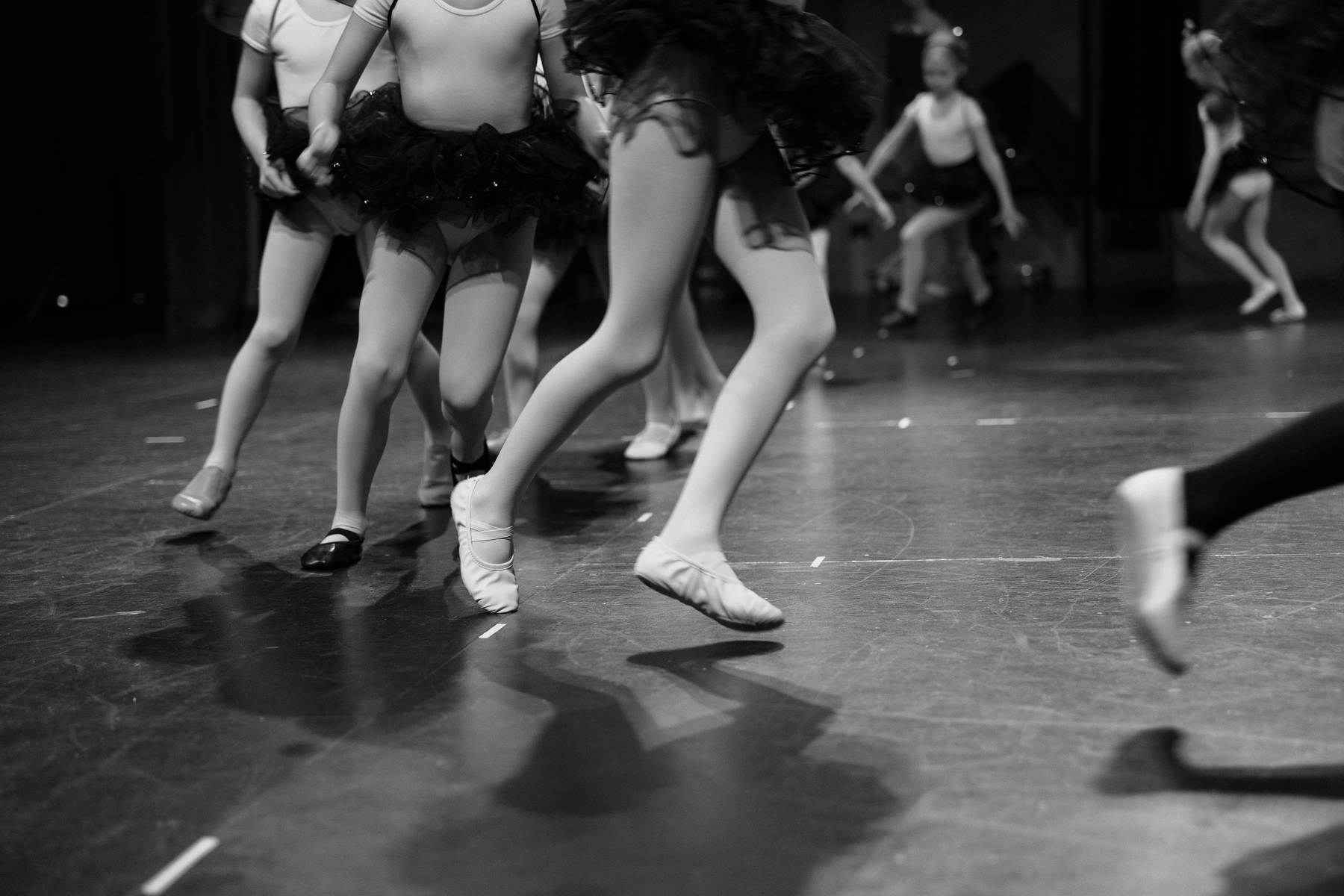
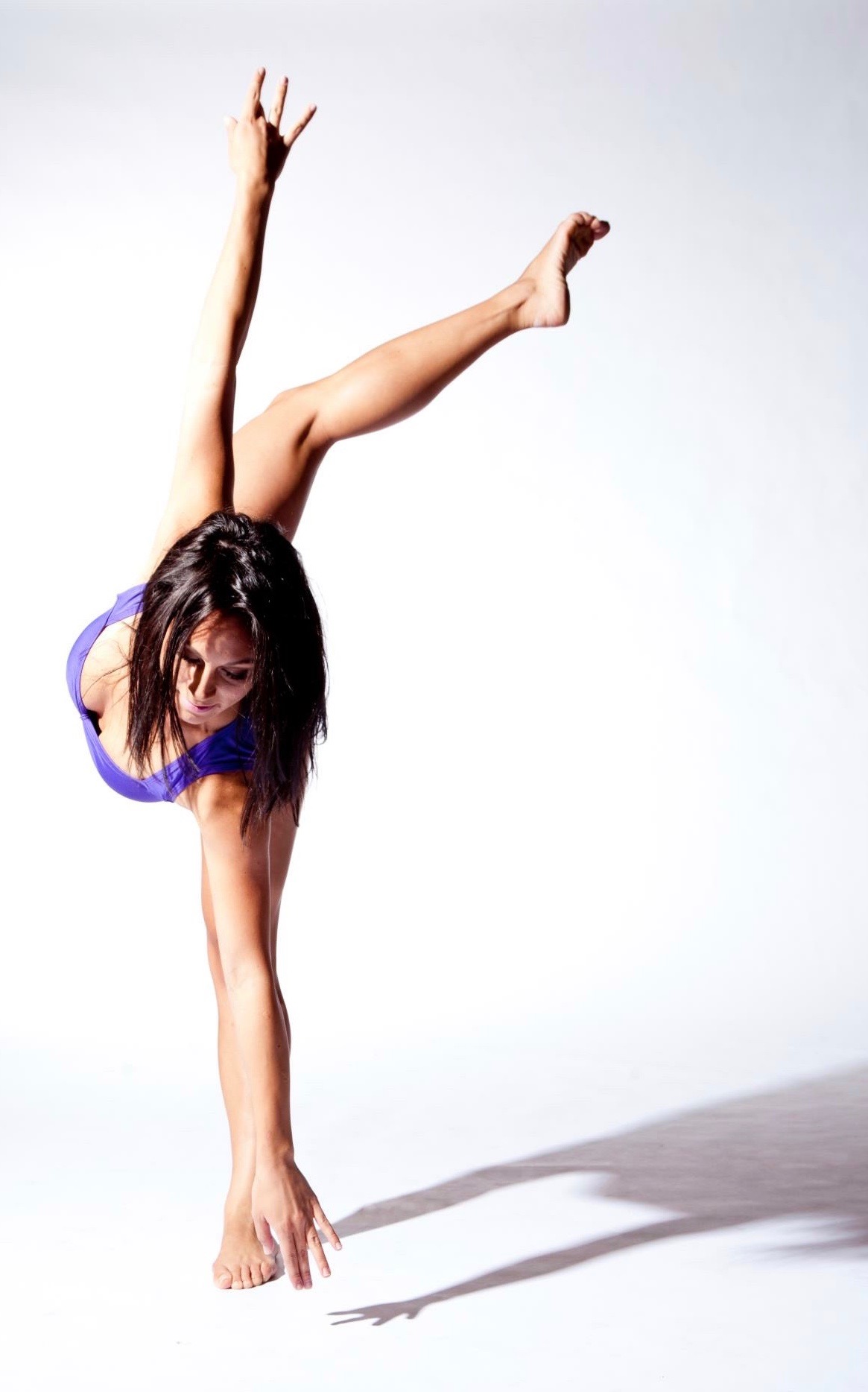
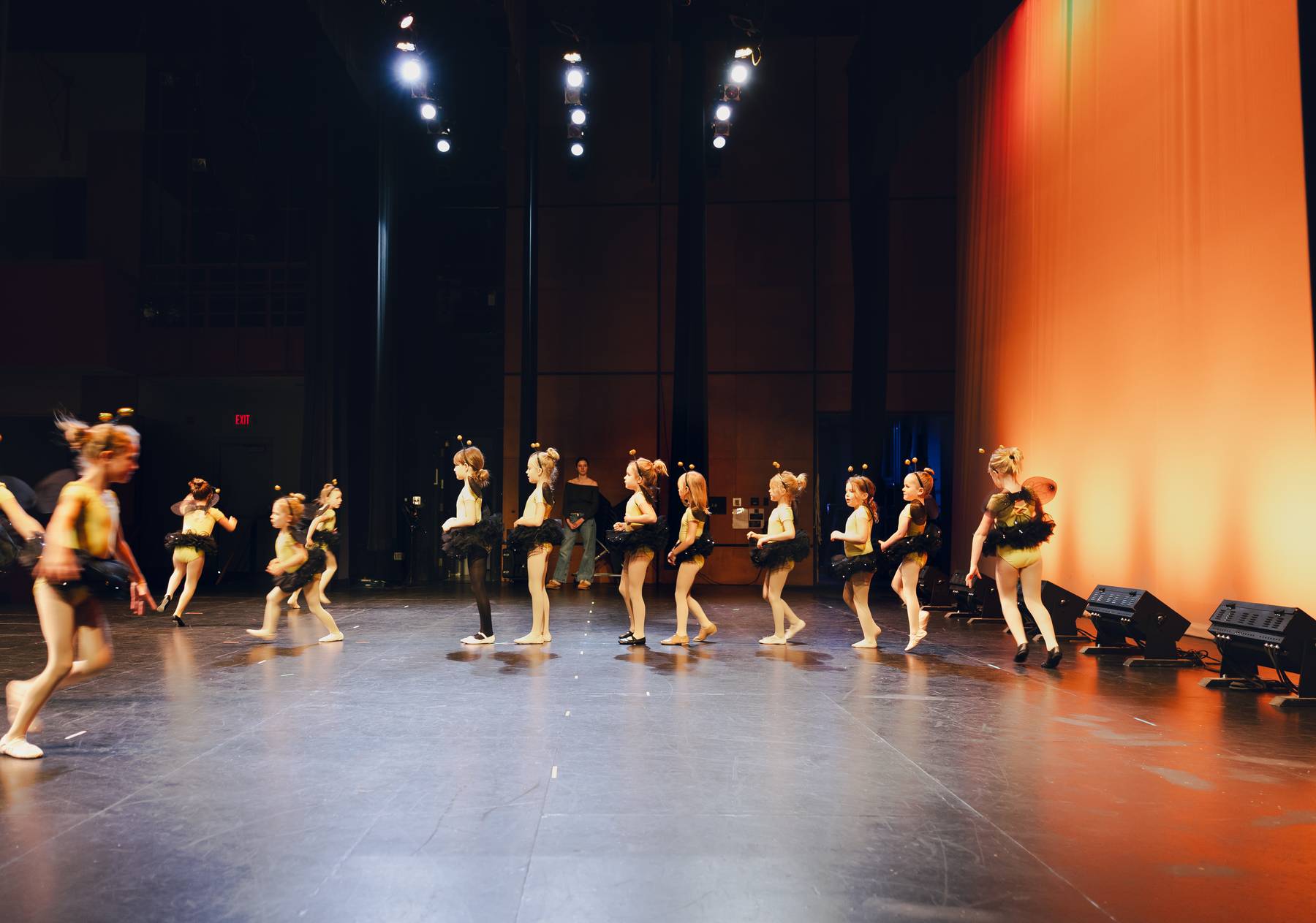
Dancer on stage Dancers' feet in performance

Technique First

Two techniques. One strong foundation.

Ballet

Ballet develops posture, alignment, turnout initiated from the hips, coordination, strength, balance, flexibility, and classical vocabulary. Classes progress from barre to center work and across-the-floor exercises, building the foundations for turns, jumps, and leaps.

Jazz Pop

Jazz Pop works primarily from parallel alignment and combines jazz technique with the energy and musicality of contemporary pop movement. Students develop turns, jumps, leaps, coordination, and rhythm.

For the strongest technical development, we recommend two classes each week—either one Ballet and one Jazz Pop class, or the same technique twice weekly for additional repetition and consistency.

Founder & Director

Elena Santiago

Elena Santiago, Founder and Director of Door County School of Dance

Door County Roots

Elena Santiago is a Door County native, professional dancer, choreographer, and dance educator. Her own relationship with dance began in northeastern Wisconsin, and an early experience seeing Ailey II perform at the Door County Auditorium helped shape her understanding of how powerful access to professional dance can be for a young person.

After building a career and life in New York City for 13 years, Elena returned home with the goal of creating high-quality, technique-based dance opportunities for the next generation of Door County dancers.

Professional Training

Elena began formal classical ballet training at age 13 at the Green Bay School of Dance. She later attended the University of Wisconsin–Madison on scholarship, studying dance and developing a strong foundation in performance, choreography, and dance studies.

After moving to New York City, she completed the three-year Certificate Program at The Ailey School, where her training included ballet, modern, African dance, tap, and additional movement practices. She continued performing professionally in New York while studying with teachers and artists from a wide range of dance traditions.

Dance Education

Elena earned a Master’s degree in Dance Education from Hunter College with the support of the Heather Watts Scholarship. Her graduate work deepened her approach to curriculum, child development, assessment, creative process, and the role dance can play in a complete education.

She also completed professional development through the 92nd Street Y Dance Education Laboratory (DEL) Institute, including foundations work, core coursework, cohort seminars, coaching, and curriculum development.

New York City Teaching

For five years, Elena taught dance in New York City public and private schools, working with children across elementary and middle-school grades. Her teaching included technique, creative movement, choreography, performance preparation, and large-scale school productions involving hundreds of students.

She taught through the challenges of remote and hybrid learning during the COVID-19 pandemic and developed adaptable ways to keep students moving, creating, and connected. Her work in New York also included early-childhood education at the Marymount School, an all-girls independent Catholic school.

Early Childhood, Yoga & Whole-Child Education

Elena’s teaching is informed not only by professional dance training but also by years of experience in early-childhood classrooms. She has worked as a preschool educator and program leader and understands the developmental needs of young children entering a structured movement environment.

She is also a 200-hour trained yoga teacher through Lila Yoga Flow and has completed Kids Karma Yoga training. Breath, body awareness, focus, creativity, and age-appropriate movement exploration influence her approach to teaching dancers of all ages.

Teaching & Choreography in Door County

Since returning home, Elena has taught and directed dance programming for children throughout Door County. Her experience includes serving as Dance Coordinator for the Door County YMCA, teaching ballet, contemporary/modern, hip hop, tap, creative movement, yoga, and teen classes, as well as coordinating performances and working with students across multiple locations.

She has also choreographed for local high-school productions and dance-team training, taught workshops and master classes, and continued developing performance opportunities for young dancers in the community.

Why Door County School of Dance

Door County School of Dance brings together Elena’s professional dance training, classroom experience, early-childhood background, and commitment to her home community. Her goal is to give students access to thoughtful, codified training while preserving the joy, curiosity, creativity, and personal growth that make dance meaningful.

“Dance opened doors I never knew existed. Now I want to inspire the next generation of dancers in the community I love.”
Training · Artistry · Community

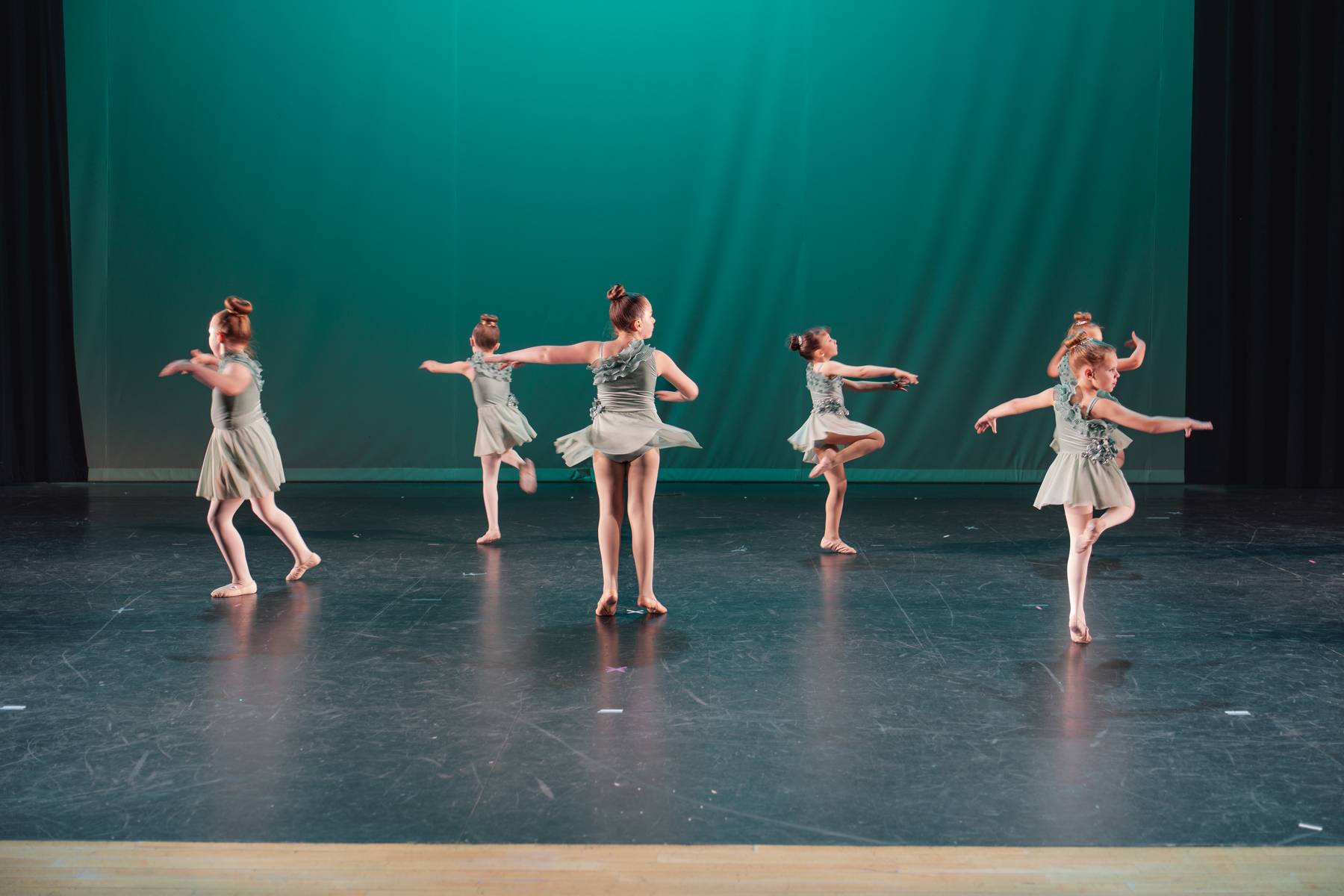
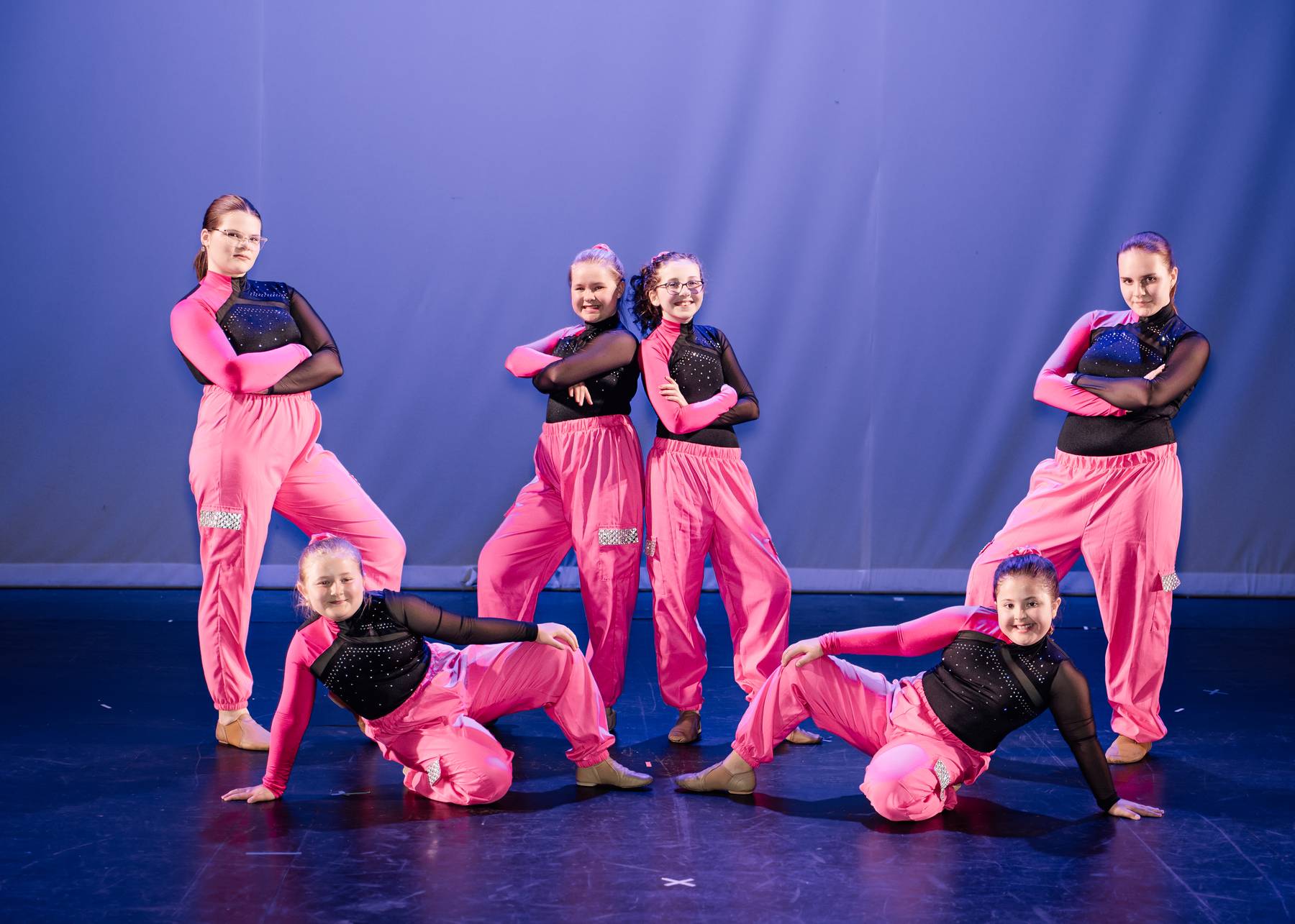
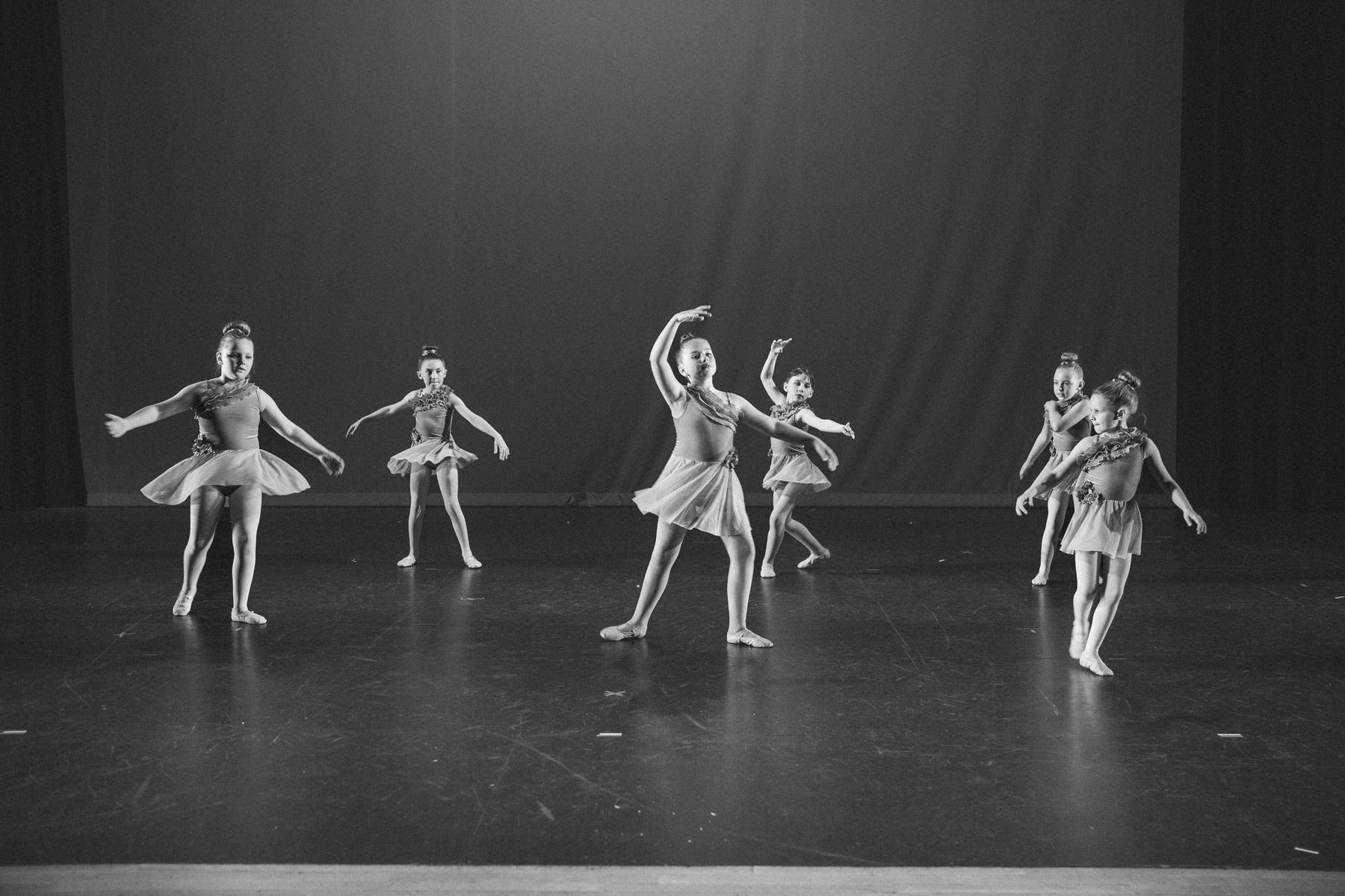
Young dancers performing together on stage Jazz dancers posing together on stage Dancers performing in a theater

Progressive Training

Why We Train September–May

Dance technique is not something students learn in a few weeks—it is built through repetition, correction, consistency, and time. At Door County School of Dance, our September–May school year is intentionally designed so dancers can build a strong technical foundation, progress step by step, and then apply what they have learned to choreography for our spring performance.

Rather than spending the entire year simply memorizing recital dances, students spend the beginning and middle of the season truly studying dance. They learn how and why movement works: alignment, posture, turnout and parallel placement, coordination, musicality, strength, flexibility, balance, vocabulary, footwork, turns, jumps, leaps, and increasingly complex combinations.

Each month builds on the one before it. The spring performance is the culmination of that training—not the entire purpose of class. Our goal is for students to leave each season as stronger, more knowledgeable, more technically capable dancers.

September–October

Build the Foundation

Dancers establish classroom structure and begin building the fundamentals they will use all year: posture, alignment, positions, dance vocabulary, musicality, coordination, and the important difference between turnout-based Ballet technique and parallel-based Jazz Pop technique. Ballet students develop barre habits and foundational placement while Jazz Pop students establish strong parallel alignment and movement patterns.

November–December

Strength + Skill Development

With the foundation in place, dancers begin developing greater strength, balance, flexibility, control, and coordination. Technique expands through center work and across-the-floor progressions. Turns, jumps, and leaps are introduced or developed at an age-appropriate level, with an emphasis on learning the mechanics behind each skill—not simply copying the finished step.

January–February

Progress the Technique

Students begin connecting individual skills into longer and more complex combinations. They work on transitions, timing, movement quality, spatial awareness, and maintaining correct technique while moving with greater speed and complexity. Repetition allows teachers to give corrections and dancers the time to understand, practice, and apply them.

March–April

Apply Technique to Choreography

Technique remains a central part of class while dancers begin applying their training to spring choreography. Instead of learning steps without a foundation, students now use the alignment, musicality, coordination, turns, jumps, leaps, and movement vocabulary they have developed throughout the year. Choreography becomes an opportunity to demonstrate what they have learned.

May

Celebrate the Progress

The spring performance brings the school year full circle. Students take the technique, discipline, vocabulary, musicality, and choreography they have developed into a theatrical setting and share their growth with family and community. The performance is a celebration of months of consistent study and the progress that comes from real dance training.

Why Consistency Matters

A dancer cannot build strong technique through choreography alone. Technique requires consistent practice so the body has time to develop coordination, strength, placement, control, and muscle memory. This is why our schedule is designed for dancers to take two classes each week—either Ballet + Jazz Pop or two classes in the same discipline. Consistent training gives dancers more opportunities for repetition, individual corrections, and meaningful progress throughout the school year.